Mastering the Timing: When Is the Perfect Time for Father's Day Gifting Announcements?
Father’s Day is one of those holidays that can feel both deeply heartfelt and slightly overwhelming in its sheer volume of gift-giving expectations. For people running businesses, organizing family events, or simply trying to coordinate gifts for a dad who deserves the world (and maybe a nap), timing is everything. But when exactly should you start talking about what you're getting him? If the announcement comes too early, it can feel like nagging; if it comes too late, the stress of last-minute panic sets in. Understanding when is the perfect time for Father's Day gifting announcements? isn't just about etiquette—it’s about managing expectations and reducing collective holiday stress. This guide will break down the optimal timing strategies, whether you are a gift buyer, an event organizer, or simply trying to figure out when to bring up that trip to the brewery.
Understanding the Psychology of Gift Announcement Timing
The anxiety surrounding Father's Day often stems from a mix of excitement and logistical stress. We want our dads to feel celebrated, but we also don't want them feeling pressured into premature gift selections or commitments. The key to timing is shifting the focus from the purchase to the experience.
Why Timing Matters More Than You Think
The moment you start talking about gifts, you are triggering a cascade of emotional and practical responses. Good communication acts like an oil slick on a busy road—it keeps things moving smoothly without causing a major spill. If your announcement is poorly timed, it can feel like the pressure cooker has been turned up to maximum steam.
Consider the difference between asking, "What do you want for Father's Day?" on October 1st versus asking, "We are planning something fun this year—are you free Saturday?" The latter approach frames the discussion around shared enjoyment rather than a transactional commodity. This subtle shift is a powerful tool in gift communication.
Navigating Different Communication Channels
The timing strategy must also adapt to who you are talking to and how you typically communicate. A high-stakes announcement (like coordinating an entire family weekend) requires more lead time than a casual "let’s get those nice socks."
- For Family Coordination: Use soft, staggered reminders months in advance. Start with the theme or type of activity rather than the specific items.
- For Retail/Product Launching (Businesses): Timing needs to align with consumer decision-making cycles. Too early and you get ignored; too late and inventory is scarce.
The Golden Window: When Is the Perfect Time for Father's Day Gifting Announcements?
While there is no universal clock that dictates the perfect moment, research and common sense point to a "Golden Window" approach tailored to different needs—buying versus planning.
Planning Experiences vs. Buying Material Goods
If your gift is an experience (a weekend trip, tickets to a game, a fancy dinner), you have more flexibility. You can announce the concept early (e.g., "We are thinking of doing something outdoors") and leave the specifics until closer to the date. This gives time for dad to mentally prepare for fun!
If your gift is material goods (a gadget, a tool set, a shirt), the timing needs to be more precise. You must give enough notice that he doesn't lose interest or forget the item entirely before Father’s Day arrives.
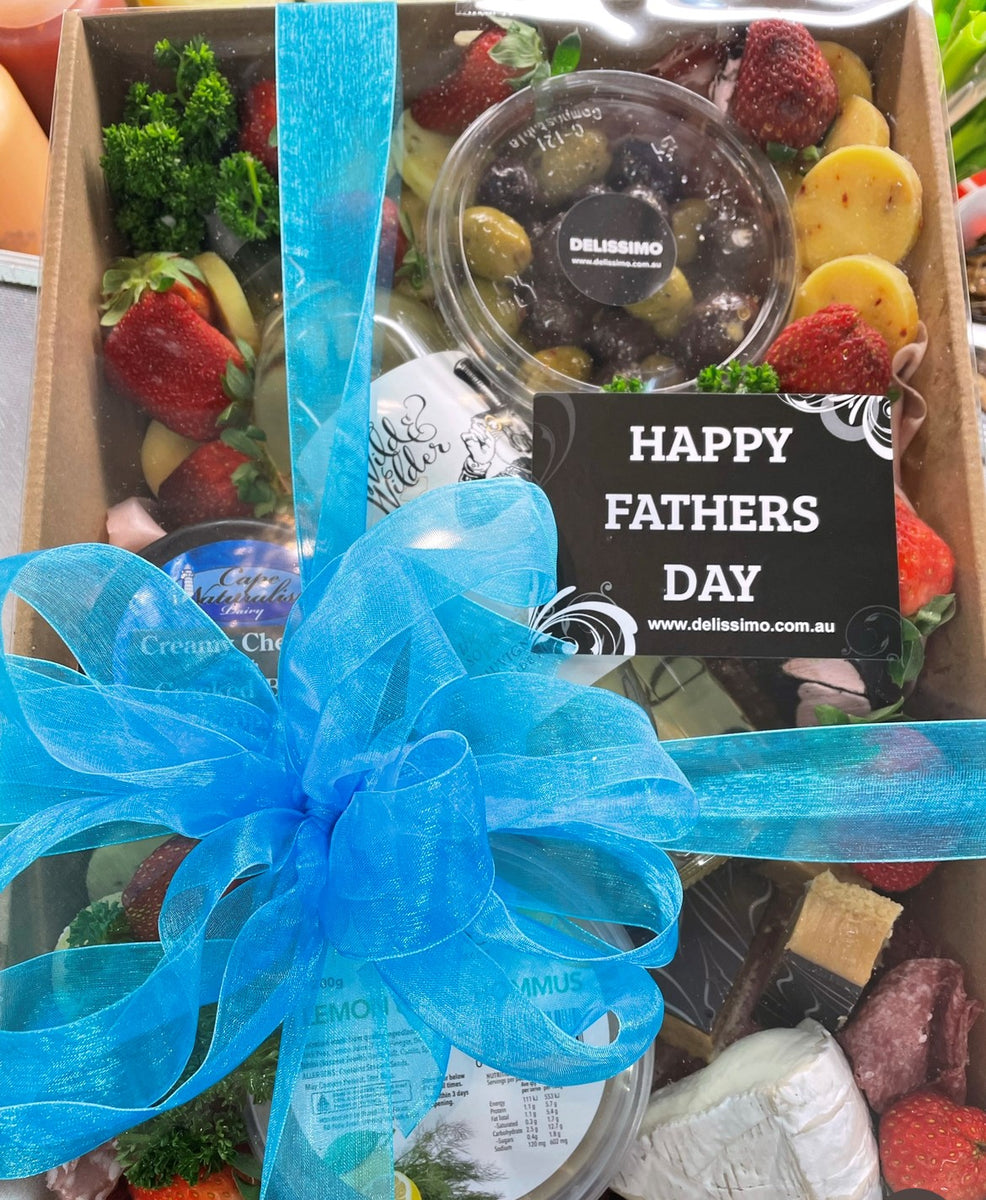
A personal anecdote I once heard involved planning a fishing trip for a father-in-law. If we had mentioned it in January, Anniversary Gifts he would have forgotten about fishing altogether due to work stress. By bringing it up gently during a low-key dinner conversation three weeks out—when the weather was actually nice—it clicked back into place instantly.
The Importance of Gradual Teasing
A helpful technique is "gradual teasing." Instead of making one big announcement, sprinkle small hints throughout the preceding weeks or months. This keeps the gift top-of-mind without creating overwhelming pressure. It’s like letting a fun scent drift through the house—you notice it subtly before you realize what it is.
Strategic Timing for Different Roles
The definition of "announcement" changes depending on whether you are coordinating with family, managing a store inventory, or simply giving advice. Understanding these roles helps pinpoint when is the perfect time for Father's Day gifting announcements? for your specific situation.
For Family and Friends (The Gift Giver)
Aim to initiate serious discussions about ideas 4–6 weeks out. If you need money or coordinating effort, give a two-month heads up. This gives everyone ample time to save, plan, or coordinate schedules without the frantic energy of last-minute calls. Remember, the goal is collaboration, not interrogation!
For Small Businesses and Retailers (The Planner)
Businesses must treat Father's Day like a calendar event with escalating urgency. Your communications should follow this pattern:

- Early Awareness (6-8 weeks out): Announce themes and categories. ("This year, we are focusing on Dad’s grilling obsession!")
- Mid-Stage Buzz (3-4 weeks out): Reveal specific products or services. Start hinting at scarcity or limited editions.
- Final Push (The week before): Focus solely on the "buy now" mentality. Time is running out!
For Event Organizers and Planners
If you are organizing a large group activity, use multiple touchpoints: email reminders, physical cards, and verbal confirmations. Do not rely on a single announcement. Use this rhetorical question to guide your planning: Have I given my guests enough time to clear their calendars? If the answer is no, push the announcement back!
Making Your Selection Count: Beyond Just Dates
Ultimately, timing is merely one piece of the puzzle. The true success of any Father's Day plan—whether it’s a gift or an event—depends on thoughtfulness and personalization. Why rush to pinpoint when is the perfect time for Father's Day gifting announcements? when you can focus instead on why Article source you are giving the gift?
A brilliant quote captured this sentiment: "The best gifts are those that remind someone how much they are loved." This shifts the conversation entirely from dollar value or temporal pressure to emotional connection.
To ensure your announcement is received positively, always couple it with a rationale rooted in love or shared memory. For instance, instead of saying, "Buy him this gadget," try, "Remember how much fun we had at the lake? I thought this new drone would let us capture those memories even better." It transforms the gift from an object into a continuation of positive times.
The perfect announcement doesn't just save time; it saves stress and builds lasting memories. By being strategic about when you talk, and most importantly, by focusing on why you are giving, you ensure that your celebration is smooth, joyful, and genuinely appreciated.